U.S. Customs and Border Protection to Revoke Import Privileges for Companies with Inaccurate Data Starting September 18


Beginning September 18, 2026, the U.S. Customs and Border Protection (CBP) will initiate a rigorous enforcement campaign targeting the accuracy of data provided by Importers of Record (IORs). Under this new directive, any shipper found to have inaccurate information on file—ranging from basic contact details to formal business registry data—faces the immediate suspension of their ability to import merchandise into the United States. This move represents a significant escalation in the federal government’s effort to tighten supply chain oversight and secure national borders against illicit trade.
The Mandate and Operational Scope
The upcoming enforcement action stems from a broader policy framework aimed at modernizing customs compliance. As outlined in a Federal Register filing published in August 2026, the CBP is moving beyond mere record-keeping to a proactive "comprehensive review" of every IOR currently authorized to conduct business at U.S. ports of entry.
The mandate is unambiguous: the responsibility for data integrity rests squarely on the importer. This remains true even when third-party logistics providers or customs brokers are utilized to facilitate the filing of entries. If the agency identifies discrepancies in phone numbers, physical addresses, email addresses, or other critical points of contact, the importer’s standing will be challenged.
For businesses, this means the penalty for administrative oversight has moved from potential fines or audits to the complete cessation of operations at the border. While the CBP has not released a granular breakdown of every potential punitive measure beyond the revocation of import rights, the agency confirmed that it will issue written notifications to non-compliant parties. These notices will include specific guidance on how an importer can rectify their standing, though the process is expected to involve significant administrative delays, potentially halting supply chains mid-transit.
Chronology of the Regulatory Shift
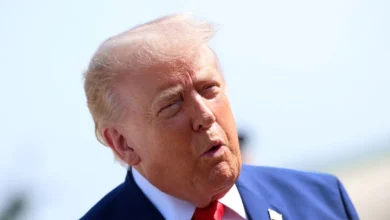
The current regulatory environment is the result of a series of strategic directives issued by the Trump administration throughout 2026. The evolution of these policies can be traced as follows:
- June 3, 2026: President Donald Trump signs an executive order calling for a fundamental restructuring of customs enforcement, specifically targeting the verification of foreign IORs and demanding higher penalty floors for non-compliant entities.
- June–July 2026: The CBP begins a transition period, urging importers to audit their internal records and align their data with official business registrations. Industry analysts note that this period saw a surge in internal compliance reviews across major shipping firms.
- August 19, 2026: The Federal Register formally publishes the technical requirements for the upcoming September 18 enforcement deadline, clarifying that inaccuracies in IOR documentation will result in the suspension of import privileges.
- September 11, 2026: CBP confirms the final timeline, signaling that the "grace period" for administrative errors is concluding.
The Rationale Behind the Crackdown
The CBP’s justification for this policy is rooted in the intersection of national security, consumer safety, and fiscal protection. According to the agency, accurate data is the primary tool used to intercept contraband, identify fraudulent shipments, and ensure that appropriate duties are paid.
"Accurate information regarding IORs is essential for ensuring compliance with customs and trade laws of the United States in order to safeguard national security, enforce product safety requirements, and protect the revenue," the agency noted in its recent filing.
By verifying the legitimacy of contact information, the CBP aims to curb "shell" companies and entities that utilize deceptive practices to bypass trade restrictions. Historically, bad actors have utilized obfuscated or incorrect contact data to shield themselves from legal repercussions when goods are seized or found to violate safety standards. The new mandate effectively closes this loophole by requiring that the entity responsible for the goods be reachable and verifiable at all times.
Economic and Supply Chain Implications
The shift toward hyper-compliance has sent ripples through the logistics industry. For many importers, the cost of compliance has traditionally been viewed as an operational expense; however, the new directive has effectively shifted it into the category of "business-critical risk management."

André Cruz, a senior manager of trade and customs at KPMG US, highlighted the gravity of the situation in a recent assessment. "If your compliance budget was denied last quarter, take this executive order to your CFO," Cruz noted. "The ROI on compliance just doubled."
The implications for global supply chains are multifaceted:
- Increased Administrative Burden: Importers must now maintain constant vigilance over their documentation. Any change in personnel, office location, or communication infrastructure must be immediately reflected in the CBP’s database to prevent a sudden revocation of import status.
- Pressure on Customs Brokers: While the importer remains responsible, customs brokers will face increased pressure to verify the veracity of the information provided by their clients. This is expected to lead to stricter "Know Your Customer" (KYC) protocols within the brokerage industry.
- Visibility and Traceability: The measure is part of a larger push by the CBP to integrate advanced traceability technology. By ensuring that every IOR is tied to an accurate, verifiable identity, the government is building the infrastructure necessary to monitor goods from the point of origin to the final point of sale.
Industry Challenges and Future Outlook
Despite the clear directive, many industry stakeholders are concerned about the "all-or-nothing" nature of the enforcement. Critics suggest that the suspension of import rights, even for minor administrative errors, could cause unnecessary disruptions in just-in-time supply chains. For sectors like automotive, electronics, and pharmaceuticals, where inventory turnover is measured in hours rather than days, a sudden suspension of IOR status could lead to millions of dollars in losses.
Furthermore, the agency’s requirement that companies maintain "good standing" within 180 days of the June 3 executive order has created a high-pressure environment for mid-sized firms that may lack the robust legal departments of larger multinational corporations. The CBP defines "good standing" as a composite metric based on historical compliance, the promptness of penalty payments, and the absence of prior trade violations.
As the September 18 deadline approaches, the CBP is expected to continue its stakeholder engagement process. The agency has been soliciting input on how to better leverage technology for supply chain visibility, suggesting that this is merely the first phase of a long-term modernization effort.

Conclusion: A New Era of Trade Compliance
The decision to enforce stringent data accuracy requirements marks a definitive turn in how the United States manages its borders. It signals the end of an era where customs data could be handled as a secondary administrative task. As the CBP intensifies its focus on the legitimacy of importers, businesses must adapt by investing in data management systems and compliance expertise.
While the administrative burden is significant, the federal government maintains that these steps are vital for maintaining the integrity of the U.S. market. As of mid-September 2026, the message to importers is clear: the cost of inaccuracy is no longer just a fine—it is the loss of market access. Companies that fail to reconcile their records before the fast-approaching deadline risk not only financial penalties but a complete halt to their U.S. operations, underscoring the urgent need for a comprehensive review of all customs documentation.